Beyond the Breach: Lessons, Strategies, and Innovations in Cybersecurity
The digital landscape is evolving at an unprecedented pace, driving enterprises to embrace digital innovation in order to stay ahead of the competition. However, with these advancements come inherent risks and vulnerabilities that no organisation can afford to ignore. To ensure operational resilience and protect critical assets, corporate executives must stay informed about the ever-changing cybersecurity landscape.
The Cyber Security Conference will provide valuable insights into the risks and threats facing businesses across their operations and processes. It will explore strategies and cutting-edge tools to mitigate these risks, including AI-driven defence mechanisms, approaches to managing emerging threats, and best practices for safeguarding critical infrastructure. Attendees will also gain a deeper understanding of regulatory changes, their implications for businesses, and case studies demonstrating successful cybersecurity implementations.
Find out more about the conference here: https://cybersecurity.imhbusiness.com/
Agenda
Bridging the gap: How organizations are building a more secure & resilient futureConal Hickey
Vice President, Security & Resiliency Practice Leader SM, Kyndryl
Aglaia Nicolaou
Secetary & SheLeadsTech Liaison, ISACA Cyprus Chapter
Introduction by the Chairperson of the ConferenceThe Future of privacy in the new AI amd Quantum WorldPunit Bhatia
Partner, FIT4PRIVACY
Dr. Nicodemos Damianou
Deputy Minister of Research, Innovation and Digital Policy, Republic of Cyprus
Welcome AddressRegulatory Challenges: How to Keep Up with Cyber Laws in Cyprus and the EUGeorge Michaelides
Commissioner of Communications, Republic of Cyprus
Andreas Constantinides
Managed Services Director, Odyssey
Moderator: Manos Manoli
Chief Information Security Officer, Marlow Navigation Co.Ltd
Fireside Chat: AI vs AI - Beyond Human LimitsUlrika Dellrud
Chief Privacy & Data Ethics Officer, Smarter Contracts
Taming the AI Act: Build Smart, Not From ScratchBrian Zarb Adami - CEO, CyberSift
Rosario Bianco - Commercial Director for Italy, Greece & Adriatics, Westcon-Comstor
Theodoros Hadjistyllis - Account Management Director for Cyprus, Mastercard
Nikitas Kladakis - General Manager, ADACOM
Moderator: Manos Manoli - Chief Information Security Officer, Marlow Navigation Co.Ltd
Panel Discussion: Inside a Ransomware Attack: Real-Life Stories from the FrontlinesChristos Makedonas
Partner, Digital Risk Services, Grant Thornton Cyprus
The Insider Threat: Tackling Risks from Within the OrganizationJessica Jbeily - Territory Manager, Barracuda
Pavlos Kleanthous - Founder & CEO, Parsectix
Moderator: Manos Manoli - Chief Information Security Officer, Marlow Navigation Co.Ltd
Panel Discussion: Cloud Security - Best Practices for Securing Data in the CloudTriantafillos Prokopidis
Sales Director-Cyber Security Solutions, Cosmos Business Systems
State-of-the-Art Protection & ComplianceClaudio Casini - Channel Account Executive - Southern Europe, Jamf
Moderator: Manos Manoli - Chief Information Security Officer, Marlow Navigation Co.Ltd
Fireside Chat: Beyond Penetration Testing - Is It Enough to Stay Secure?Iacovos Kirlappos - Manager Information Security and ICT Risk Management, Bank of Cyprus
Edward Starkie - Director, Cyber Risk, Thomas Murray
Moderator: Manos Manoli - Secretary & SheLeadsTech Liaison, ISACA Cyprus Chapter
Panel Discussion: Building a Cyber Resilient Organization - DORA application experiences & lessons learnt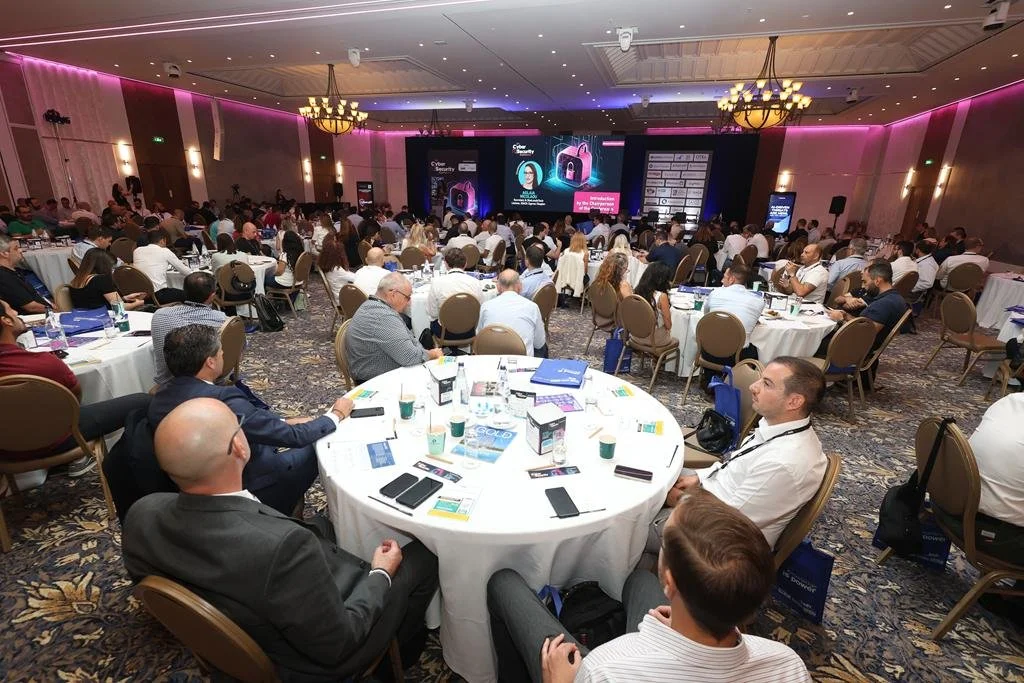
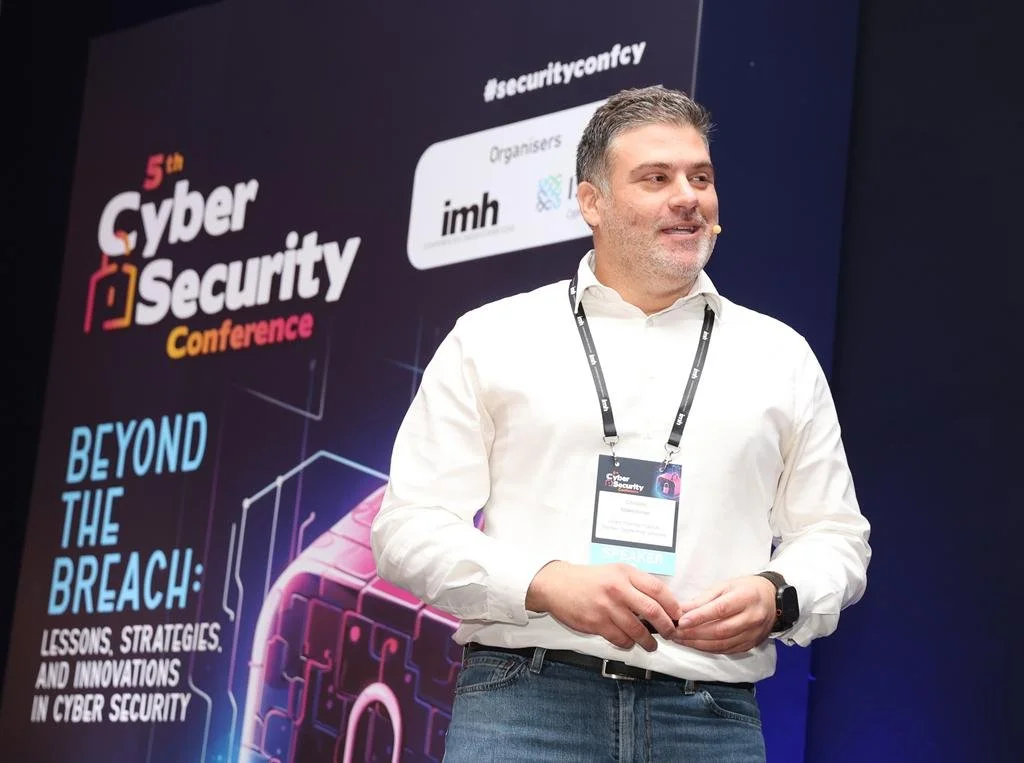
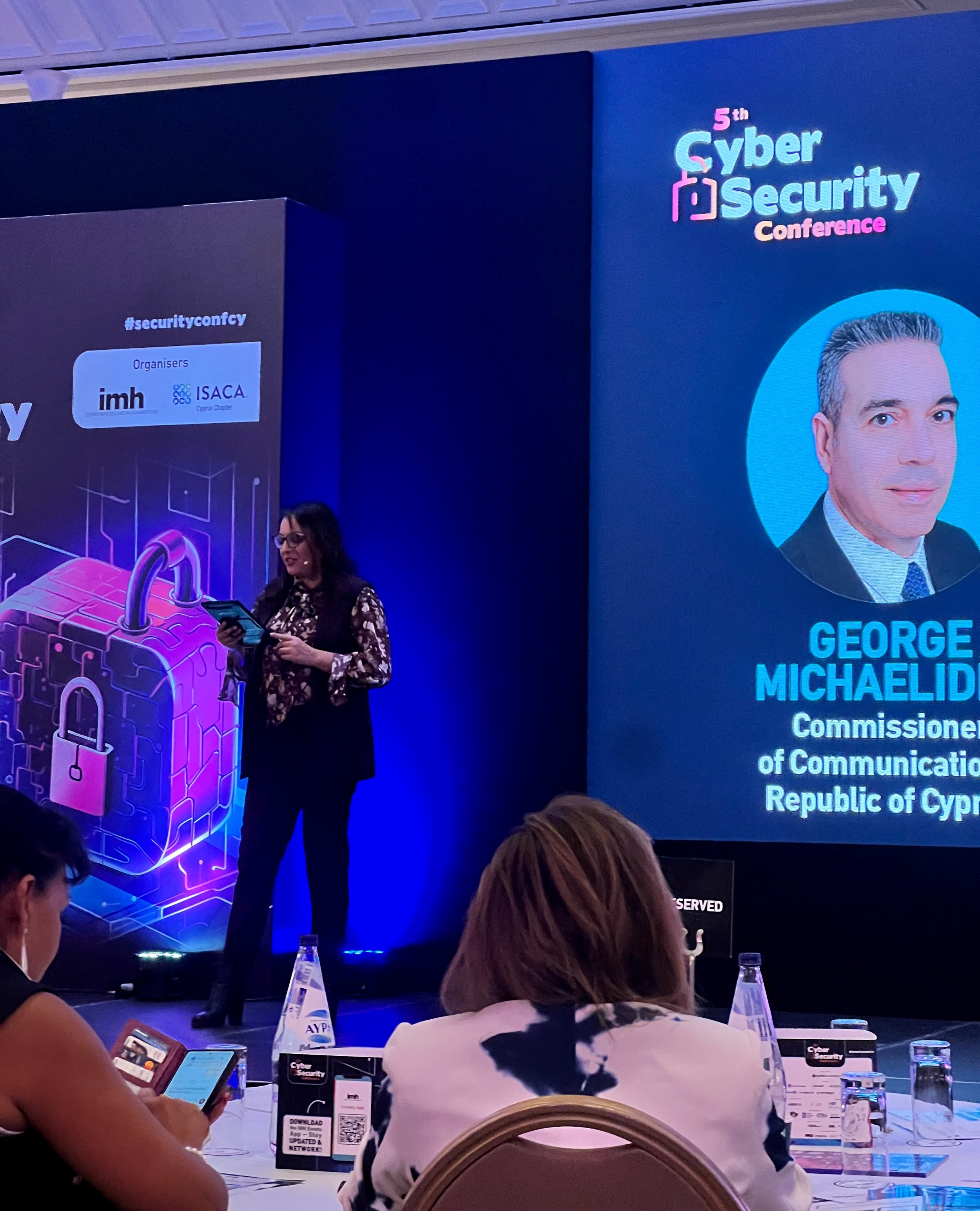
Chairperson
In today's world, digital innovation is rapid, and undeniable. We're continuously leveraging new technologies, aiding, in the transformation of industries and the improvement of services.
That said, with every new advancement, there are new challenges, and in turn, inherent risks that no organization should ignore. Afterall, It's no longer a question of if, but, of when, a cyber breach might occur.
To ensure operational resilience, and protect critical assets, all of us, must stay informed about the ever-changing cybersecurity threat landscape. Nowadays, attackers are becoming more sophisticated, their methods more cunning, and the stakes, couldn't be higher. Afterall, we've all read the headlines, and seen the impact a cyber incident might have ; that being: financial loss, compromised data, or even long-term reputational damage.
So the key here, is to stop being reactive, and start pushing towards proactiveness and innovation. In a sense, It's not just about reacting to the latest attack, but rather, about moving beyond the breach, to build true, operational, resilience.
Conferences like this, are vital, as they raise awareness regarding recent threats, and equip professionals with knowledge on new technologies, and cybersecurity innovations. This event, is designed to give you the tools needed, to stay ahead of the curve.
Conference’s agenda, has been nothing short of enlightening, with insights that with no doubt strengthen our collective security posture.
During the Conference we’ve explored a wide range of critical issues — from regulatory challenges, and the impact of AI, to cloud security, to ransomware and beyond.
The panel discussions, sparked important conversations, on topics, such as the EU AI Act and DORA implementation, reminding us, that at the heart, of all this technology, it’s the human-element that makes the difference.
And the distinguished speakers: their expertise and willingness, to share their knowledge, have been the foundation of conference’s success. They’ve not only informed us—they’ve inspired us.
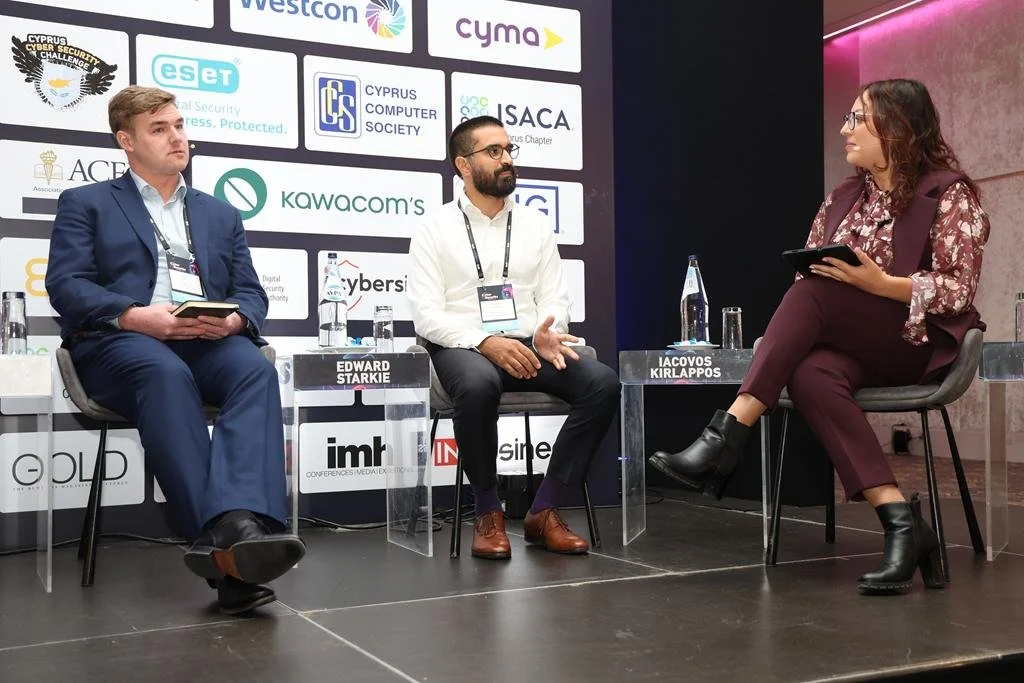
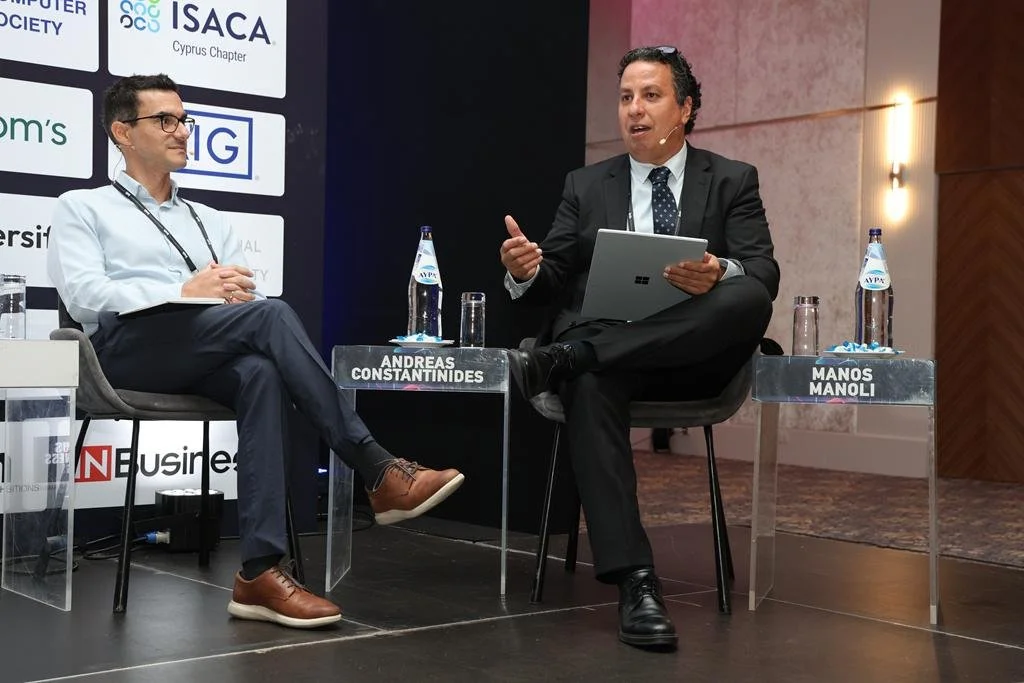
Panel Discussion
As a Moderator of the Panel Discussion: Building a Cyber Resilient Organization - DORA application experiences & lessons learnt, here are the questions I made to the speakers:
9 months on from the implementation of DORA regulation.
DORA emphasizes a shift, from purely preventative measures to operational resilience. What does, "operational resilience" means in your organization's context, and how, have you had to rethink your security strategy to achieve it?
DORA, mandates robust third-party risk management. What has been the single, biggest challenge you've faced, in meeting this requirement, especially, with a complex supply chain, and what is, a practical lesson you've learned that you can share?
How was your experience, in dealing with ICT third party service providers, in respect to contractual arrangements and obligations, especially, the requirement for compliance with information security controls, requirements and standards?
What are the key challenges you have faced, during the implementation of the DORA regulation? What are the compliance and implementation issues, still remain to be tackled? What are some of the best practices, you would recommend, in addressing DORA regulation in terms of technology or process innovations?
The regulation's incident reporting timelines are incredibly tight. How have you adapted your incident response processes, to meet these strict deadlines, and what technology or process innovations have been most critical to your success?
Looking at the long-term impact of DORA, what do you believe is the single, most valuable lesson, organizations can take from this regulation, to build a truly sustainable and and future-proof cyber defense?